Introduction: Chronic kidney disease (CKD) is a worldwide public health problem. In Nigeria,
incidence in children ranges between 2-6 cases per annum. The effectiveness of its early detection
and treatment to prevent progression to End Stage Renal Disease (ESRD) has become widely
accepted, while the strategy of its screening is still debatable. Hypertension, proteinuria and obesity
are the most important modifiable risk factors for renal disease.
Purposes: To evaluate the usefulness of community based screening tools for early identification of
CKD in children. To educate the public on the risk factors for CKD in this age group.
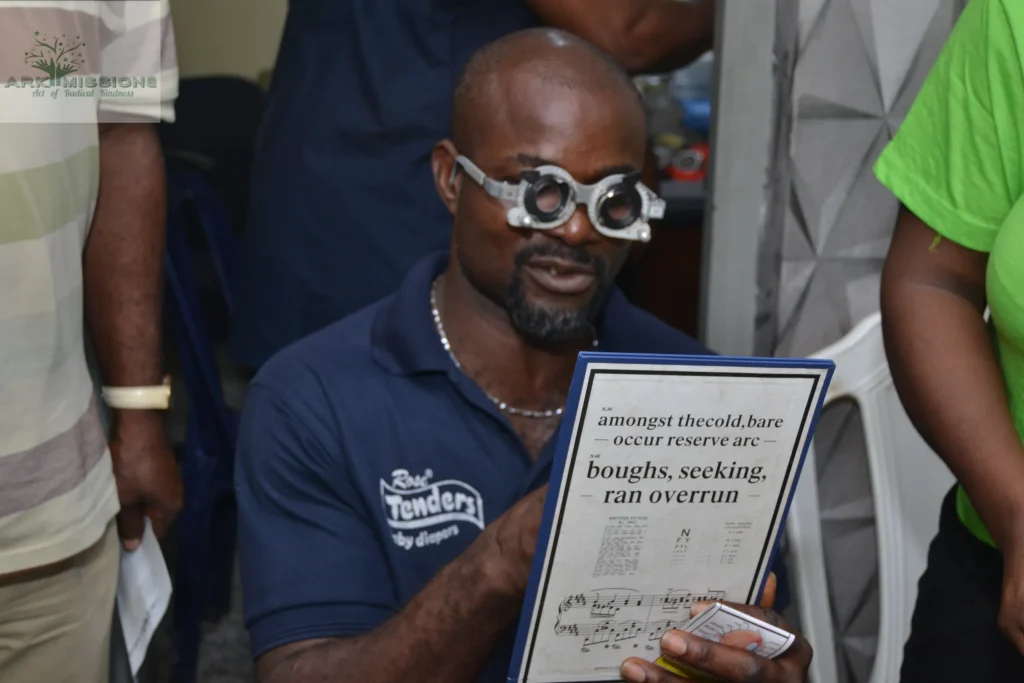
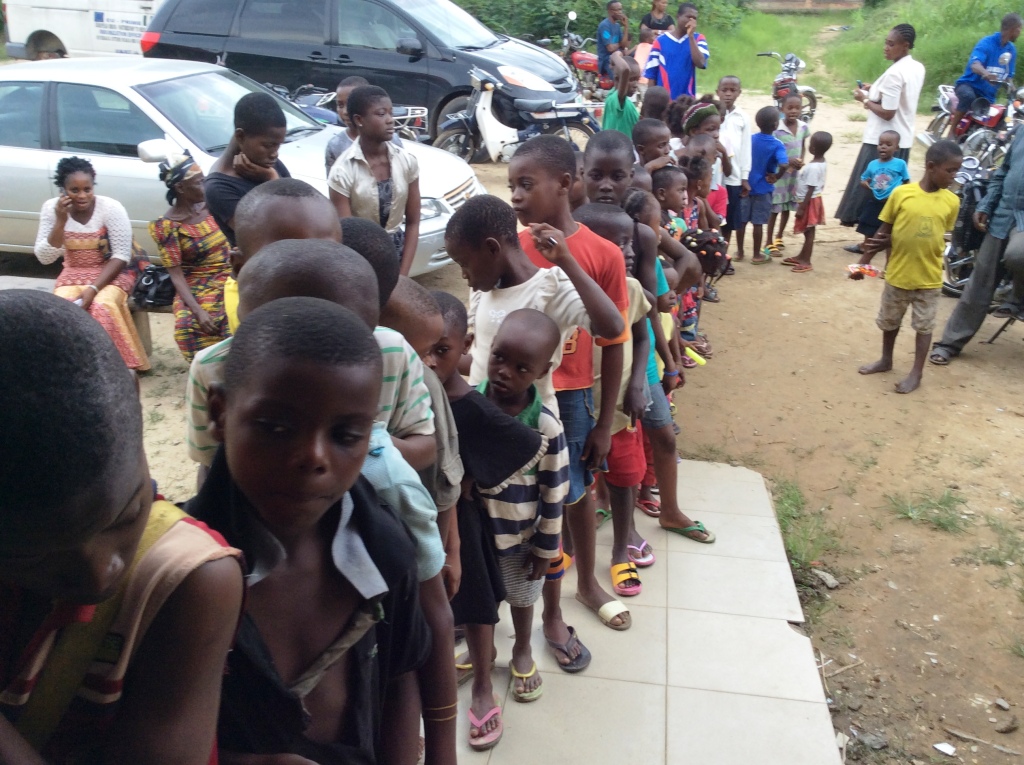
Methods: A cross-sectional descriptive study was conducted in a rural community in the South
Eastern part of Nigeria. 280 children were enrolled. Morning mid stream urine samples were tested
by dipstick. Children with abnormal findings were re-tested on another day. Height, weight and blood
pressure measurements were documented for the respective children. Blood pressure
measurements were repeated on 3 occasions if greater than or equal to 95th centile for age and
height.
Results: Early morning urine was available for urine dipstick test in 265 children: 141 (53.2%) males.
The median age was 6.30 (0.43 – 16.48) years. Risk factors for CKD (proteinuria, hypertension,
obesity) were detected in 11.7% (31/265). Proteinuria was documented in 3.7% (10/265) after
confirmation with a second dipstick test. Hypertension was detected in 5.6% (15/265) after 3
separate measurements. Body mass index of Z-score >3 was documented in 2.2% (6/265). There was
no statistically significant correlation between the risk factors and independent variables (age and
sex).
Conclusion: Screening for modifiable risk factors for CKD will result in early detection of renal
disorders in childhood. This community based study highlights the prevalence of risk factors for CKD
in asymptomatic children; up to 11.7% in this study population. Hypertension is the commonest risk
factor in this population.
Authors: Kene Ebuka Maduemem1,3, Nnaemeka Akubue2,3, Ekene Umego3, Ogochukwu Maduekwe3
1Cork University Hospital, Cork, Ireland; 2University of Nigeria Teaching Hospital, Enugu, Nigeria;
3Global Missions Ireland; ebukakene@rocketmail.com